Skip to content

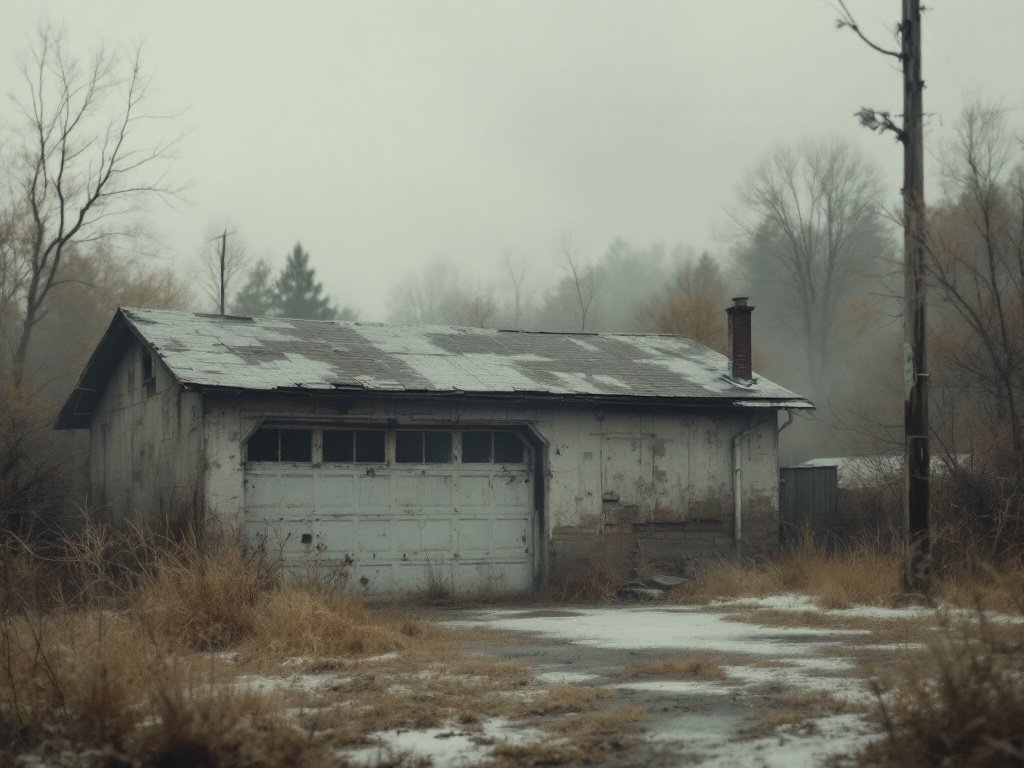
Most Scottish homeowners who contact us start with the same question: what happens if you leave an asbestos garage roof untouched?
The short answer is that an intact asbestos cement roof is usually low risk. The longer answer is that these roofs age, crack and eventually need a safe plan. In this guide we walk through what actually happens over time, what the health and legal risks are in Scotland, and how to decide when it is time to repair, encapsulate or replace.
Understanding asbestos garage roofs in Scotland
For decades, asbestos cement sheets were the default option for garage roofs across Scotland. They were cheap, strong and weather resistant, so builders used them for single garages, prefab units and small outbuildings well into the 1990s.
These sheets are a mix of cement and asbestos fibres, usually chrysotile. The cement binds the fibres, which is why asbestos cement is far less friable than loose lagging or sprayed coatings. Intact sheets generally release very few fibres in normal conditions.
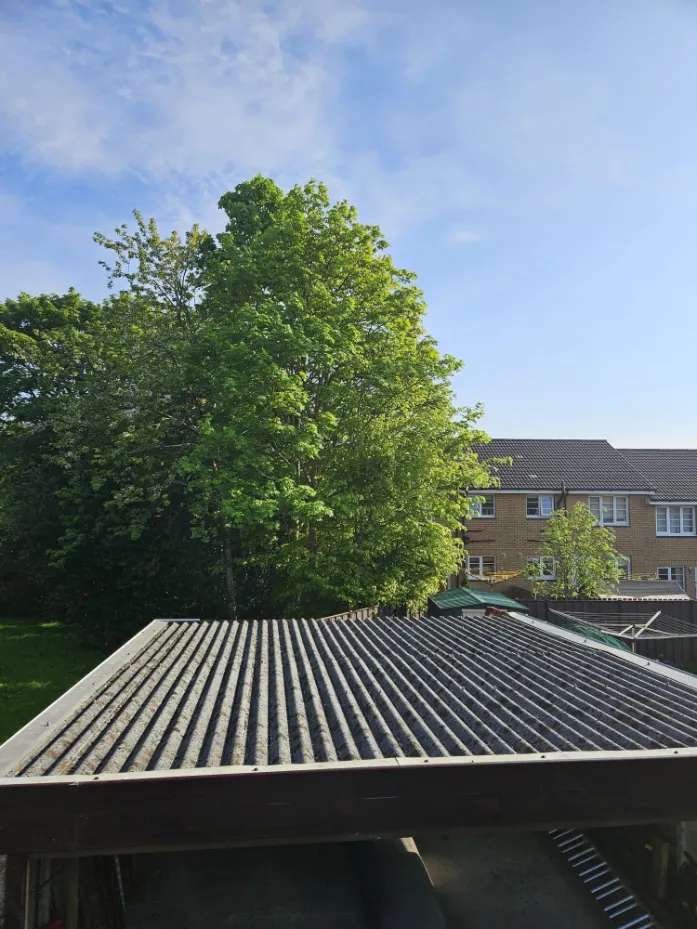
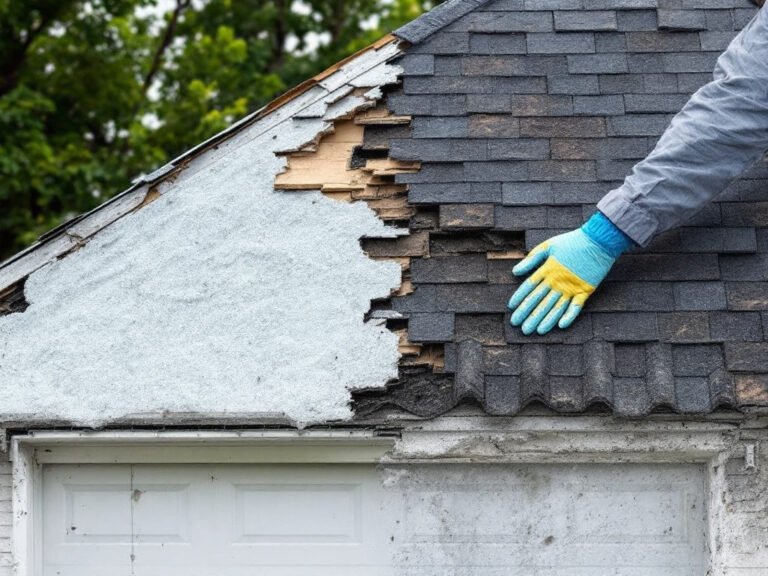
If our garage was built or re‑roofed before 2000, there is a reasonable chance the roof contains asbestos cement. The same goes for older corrugated sheets, especially if they are grey, lichen covered and fixed with hook bolts or rusting screws and caps.
What “untouched” really means in practice
When we talk about leaving an asbestos garage roof “untouched”, we are talking about not cutting, drilling, sanding, scraping, or otherwise disturbing it. In theory, an undamaged asbestos cement roof that nobody interferes with will shed very few fibres.
In practice, most roofs are not truly untouched. Over time we see:
- Wind lifting corners and fixings
- Falls of branches or ladders knocking sheets
- DIYers fixing aerials or lights through the roof
- Regular access for storage, cleaning or gutter work
Each of these creates an opportunity for damage. The more the cement matrix is cracked, broken or weathered, the easier it is for asbestos fibres to reach the air.
How asbestos cement roofs age and deteriorate
Ageing is the quiet part of the risk equation. Even if we never go near the roof, Scotland’s weather will.
Weathering and surface erosion
Asbestos cement is tough but not immune to decades of rain, frost and UV light. Over 30 to 50 years, the surface can:
- Become rough and powdery
- Develop micro cracks around fixings
- Lose its original seal or paint if it had one
This erosion exposes fibres closer to the surface. Light rain will tend to wash debris into gutters and soil, rather than into the air, but any later disturbance of that debris can be an issue.
Cracks, impact damage and sagging
The most common damage we see on older asbestos garage roofs includes:
- Hairline cracks running across sheets
- Clean breaks where someone has stepped between supports
- Holes drilled for electrics, vents or satellite dishes
- Sagging where timbers have rotted or fixings have failed
Every crack or break increases the chance of fibre release if the sheet is flexed or broken further. A roof can move from low risk to high risk surprisingly quickly after storm damage or a heavy impact.
Moss, lichens and blocked gutters
Scottish garages often sit in damp, shaded corners of the garden. That is ideal for moss and lichen growth. A green or white crust does not, by itself, mean high asbestos exposure, but it tells us the surface is staying wet and breaking down.
Moss traps water and accelerates frost damage. The more the surface is broken up, the more cement fines and fibres wash into gutters and soakaways. Again, the main concern is later disturbance of that material, for example when DIY cleaning without protection.
Health risks of leaving an asbestos roof in place
We are often asked whether just having an asbestos garage roof on the property can harm our family. The evidence from UK regulators is clear: intact asbestos cement that is not disturbed presents relatively low risk compared with friable materials.
The health issue arises when airborne fibres are breathed in over time. Long term, heavy exposure to asbestos fibres is linked to conditions such as:
- Asbestosis
- Lung cancer
- Mesothelioma
According to the UK Health and Safety Executive, asbestos remains the single largest cause of work‑related deaths in Britain, largely due to past exposure in construction and heavy industries. These were typically situations with high levels of dust, not from simply living near an intact garage roof.
For a typical homeowner with an untouched, sound roof, day to day exposure is likely to be very low. Risk rises when we:
- Break or cut sheets without controls
- Sweep or power wash debris and dust
- Store or work regularly in a space full of damaged materials
So the key question is not just “Is there asbestos?” but “Is it being disturbed now or likely to be disturbed in future?”
Why disturbance makes asbestos dangerous
The difference between a relatively safe situation and a dangerous one is often a single DIY job. As soon as we drill, saw, break or aggressively clean asbestos cement, we increase fibre release sharply.
Common high risk scenarios
The riskiest situations we see around asbestos garage roofs include:
- Removing sheets by smashing them into smaller pieces
- Using power tools to cut roof panels or trim edges
- Pressure washing roofs or scraping moss aggressively
- Sweeping dry debris from inside the garage without wetting it down
These activities turn a bonded material into airborne dust. Without proper respiratory protection, containment and waste handling, the person doing the work and anyone nearby can inhale high concentrations of fibres.
Why “just leaving it” is sometimes the safest option
If the roof is in good condition and we are not planning structural work, leaving asbestos cement in place and monitoring it can be a sensible approach. UK guidance recognises that removal is not always necessary where materials are sound and unlikely to be disturbed.
The challenge is that “do nothing” is only safe while those conditions remain. If we avoid looking at the roof or never plan for its replacement, we may be caught out by sudden deterioration or unplanned DIY work that creates unnecessary risk.
Legal and safety responsibilities in Scotland
Scottish homeowners are not generally required to remove asbestos from private homes. However, we do have clear responsibilities to manage it safely.
Duty of care and waste regulations
If we decide to remove or repair an asbestos garage roof, any resulting waste must be handled under UK hazardous waste rules. That means:
- No putting asbestos sheets in a normal skip
- No breaking sheets up to “hide” them in black bags
- Only using licensed waste carriers and approved disposal facilities
Local councils can offer guidance on household disposal routes, but larger jobs will typically require a specialist contractor who can transport and dispose of asbestos legally.
Work that must involve licensed contractors
Some types of asbestos work in Scotland can only legally be done by a licensed contractor. Asbestos cement removal from garages is often non‑licensed if done correctly, but that does not mean it is simple or without risk.
Even for non‑licensed work, there are rules around:
- Training and competence
- Control measures and PPE
- Preventing spread and contamination
If we are unsure which category our project falls into, the safest route is to ask a qualified asbestos specialist for advice before anyone starts work.
How to check the condition of your roof safely
We should never climb onto an asbestos garage roof or start scraping at it to “check what it is.” There are safer ways to assess condition and risk.
Visual checks from a distance
From ground level or a stable ladder, we can look for:
- Obvious cracks or broken corners
- Visible holes, especially around fixings
- Areas where sheets are sagging or lifting
- Heavy moss growth, flaking or powdery surfaces
If we can see daylight through the roof from inside the garage, or if fragments of sheet are lying on the floor, the roof is already in poor condition.
When to arrange a professional survey
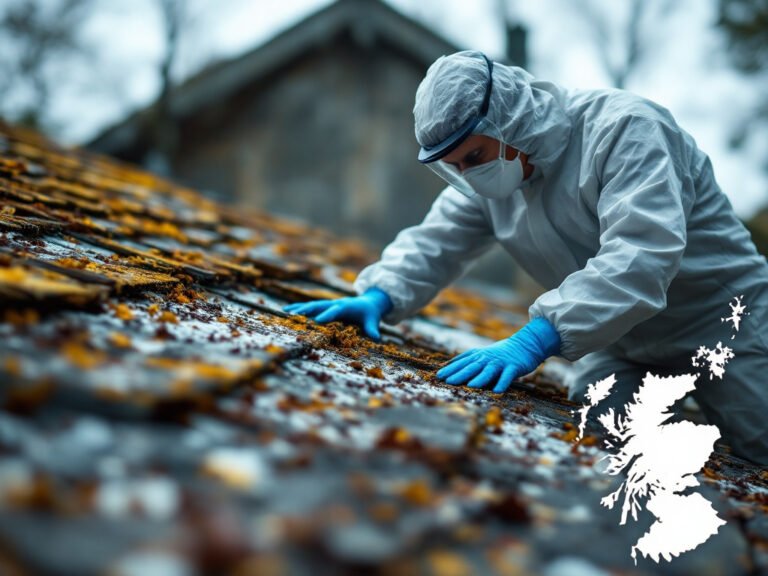
If we suspect asbestos but are not sure, or if the roof looks heavily damaged, a professional asbestos survey is the right next step. A surveyor can:
- Confirm whether the material is asbestos cement
- Assess the level of deterioration
- Recommend management, encapsulation or removal
This gives us a clear baseline, so we are not guessing when we weigh up options.
If a roof is clearly damaged or leaking, assume it may be releasing some fibres when disturbed and avoid unnecessary access until a specialist has assessed it.
Options if you decide not to remove it yet
Not every asbestos garage roof needs to come down tomorrow. Depending on condition, we might decide to manage and monitor it for a few more years while planning replacement.
Encapsulation and sealing
One common interim option is encapsulation, which might involve:
- Applying a specialist coating or sealant to stabilise the surface
- Fixing over‑sheeting on top of the existing roof, using approved methods
- Improving flashings and trims to reduce water ingress
Encapsulation can reduce the chance of fibre release from weathered surfaces. However, it does not remove the asbestos and it must be done correctly to avoid trapping moisture or overloading the structure.
Restricting access and disturbance
If we keep the roof for now, we can still cut risk significantly by:
- Stopping anyone from walking on or working directly on the roof
- Avoiding drilling or cutting through sheets for lights, cables or vents
- Storing items in a way that avoids knocking the underside of the roof
- Keeping children away from any broken debris around the garage
This is simple risk management. The less we disturb asbestos cement, the lower the fibre release.
When leaving it becomes a bad idea
There comes a point where leaving an asbestos garage roof untouched is no longer the safest or most practical choice.
Clear signs it is time to act
We strongly recommend planning removal or major refurbishment if we notice:
- Multiple cracked or broken sheets
- Leaks that are worsening each winter
- Significant sagging or structural movement
- Frequent use of the garage as a workshop, gym or office
- Any planned extension, conversion or sale of the property
At this stage, the roof is not just an asbestos question. It is a wider safety, usability and property value issue.
Hidden costs of “wait and see”
Delaying action can feel cheaper, but it often adds cost later. For example:
- Emergency repairs after storm damage are harder and more expensive
- Buyers may ask for price reductions once surveys flag asbestos roofs
- Additional damage to timbers or brickwork may need correction
Planning a controlled, scheduled replacement usually gives us better value and less disruption than reacting to a failure.
Safe removal and replacement options
If we decide that leaving the roof untouched is no longer right for us, the next step is to remove and replace it in a safe, compliant way.
Why use a specialist asbestos garage roof company
Garage roofs are a niche area. A general roofer might understand slates and tiles but have limited experience with asbestos handling and waste controls. A specialist team will:
- Plan removal to minimise breakage and dust
- Use the correct PPE, sheeting and cleaning methods
- Package and transport waste to licensed facilities
- Install a modern replacement roof in the same visit where possible
This reduces health risks for our family, neighbours and the workers themselves, and it keeps us on the right side of Scottish regulations.
Modern replacement materials and benefits
Once asbestos cement is gone, we can choose from a range of safer materials, such as:
- Insulated composite panels for better warmth and condensation control
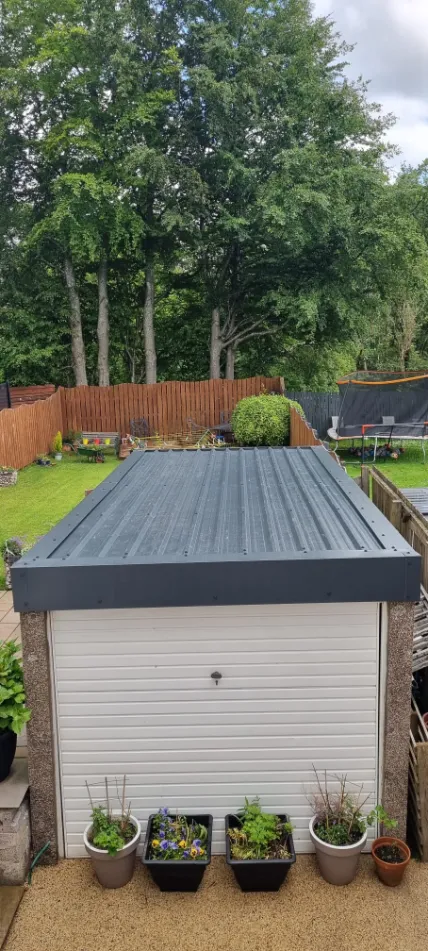
- Modern metal profiles with anti‑condensation backing
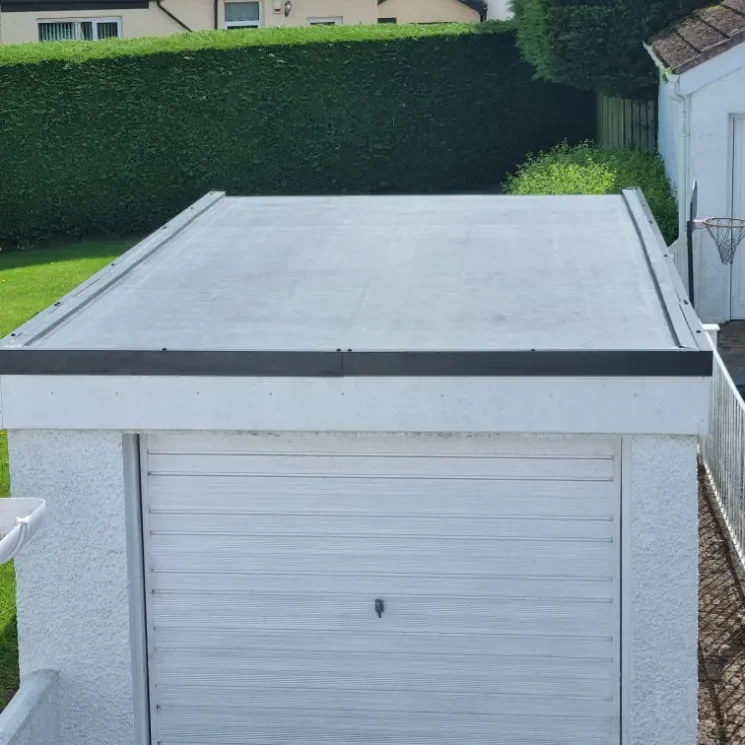
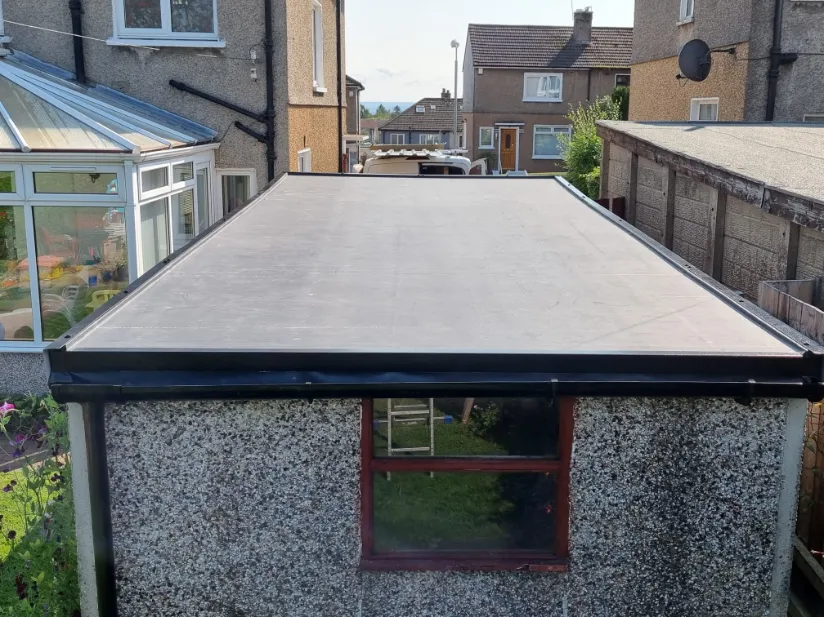
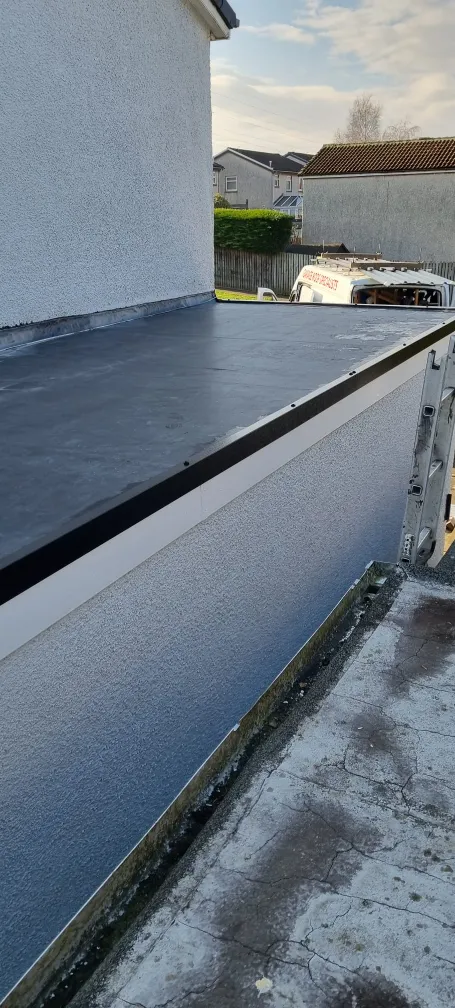
- High performance bitumen or GRP systems on flat structures
These options are lighter, longer lasting and easier to maintain than old asbestos sheets. They also tend to improve the look of the property and make the garage more usable as a workspace or storage area.
For a detailed walkthrough of costs, timescales and material choices, our complete guide to asbestos garage roof replacement in scotland 2026 sets out what to expect.
How we recommend deciding your next step
To bring this back to the original question, “what happens if you leave an asbestos garage roof untouched?”, here is a simple way to think about it.
- If the roof is intact, rarely used and not likely to be disturbed, current risk is low but you still need a plan and periodic checks
- If the roof is ageing, cracked or leaking, then the chance of fibre release and unplanned disturbance rises each year
- If you or your family spend a lot of time in or around that garage, or you are planning building work, proactive removal and replacement is usually the safest choice
As Garage Roof Specialists, we help homeowners across Scotland move from worry and guesswork to a clear, practical plan. That might be a short term management approach with encapsulation, or a full removal and modern replacement.
Either way, we encourage you not to ignore the question. A quick professional assessment today can prevent unsafe DIY jobs, unexpected repair bills and uncertainty about what is really overhead tomorrow.